
LiverpoolDamp survey in Liverpool and Merseyside
Lansdown Associates provides independent damp and mould surveys from our Liverpool offices at Rodney Chambers, 40 Rodney Street, L1 9AA, and Estuary Business Park, L24 8RL. If you need a damp survey in Liverpool or elsewhere in Merseyside, our RICS Chartered Building Surveyors will establish the cause of the damp or mould, assess how serious it is and set out proportionate recommendations in a written report. We act for homeowners, buyers, landlords, social housing providers and solicitors. We do not sell damp-proofing treatments or carry out remedial works, so our advice is based only on the evidence.
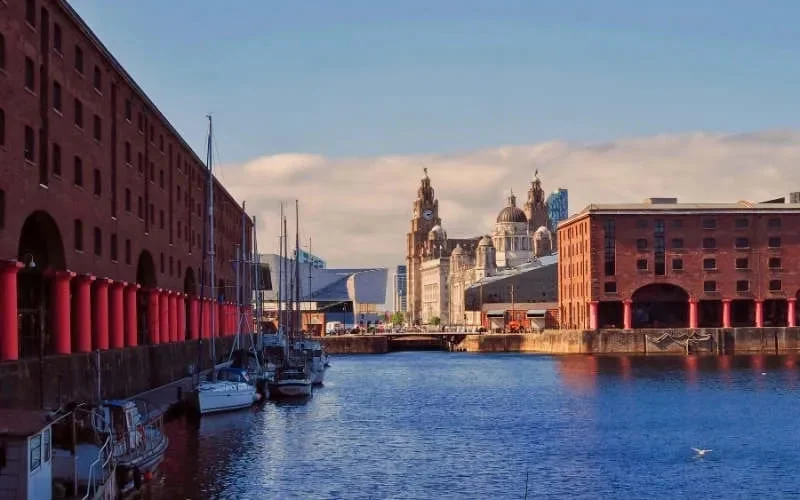
Our Liverpool offices
- Head office: Rodney Chambers, 40 Rodney Street, Liverpool, L1 9AA
- South Liverpool: Unit 4, Hurricane Drive, Estuary Business Park, Liverpool, Merseyside, L24 8RL
- Phone: 0151 374 0905
- Email: office@lansdownassociates.co.uk
- Opening hours: Monday to Friday, 09:00 to 17:00
Visits to our Liverpool offices are by appointment only. We also have offices in Manchester and London and carry out surveys across London, Birmingham, Manchester, Leeds and Northern Ireland.
Damp surveys for Liverpool clients
Homeowners
Staining, peeling paint, blown plaster, a musty smell or recurring mould suggest that moisture is getting into the building or not getting out. If a contractor has quoted for damp-proofing, an independent damp survey gives you a second opinion from a surveyor with nothing to sell.
Buyers and investors
Where a mortgage valuation or pre-purchase survey has flagged damp, an independent report can clarify the cause and likely scope of work before you exchange contracts.
Private landlords and letting agents
When a tenant reports damp or mould, our landlord damp and mould survey establishes the cause and provides a report that can be shared with the tenant and the contractor. Liverpool City Council has operated a selective licensing scheme covering designated wards since 1 April 2022, and its officers visit licensed properties to check compliance with licence conditions. Landlords should check with the council whether a property requires a licence; the Housing Health and Safety Rating System (HHSRS) applies either way.
Social housing providers
Housing associations and councils working to the Awaab’s Law timescales, which have applied to damp and mould hazards since 27 October 2025, can use our damp and mould surveys for housing associations for responsive cases, repeat complaints and void properties.
Solicitors
Where causation is in dispute in a housing conditions claim, our damp and mould expert witness service provides independent evidence under CPR Part 35. Our director John Jackson MRICS MEWI is a member of the Expert Witness Institute (EWI).
Liverpool’s buildings and damp: what our surveyors look for
From a surveying perspective, the age and construction of a building strongly influence how damp arises and how it should be treated. Liverpool has a large stock of older housing, and the points below are general. Every property should be assessed on its own merits.
Victorian and Edwardian terraces
Liverpool has a large stock of terraced houses built in the Victorian and Edwardian periods. Features that commonly affect damp include:
- solid brick walls, which rely on moisture being able to evaporate from the masonry
- early forms of damp-proof course, which may be bridged by raised paths, yards or external ground levels
- suspended timber ground floors that depend on sub-floor ventilation through air bricks
- rear offshoots and extensions, each with its own roofs, gutters and junctions
- rainwater goods, chimneys and roof coverings that have deteriorated or been altered
Later cement renders, gypsum plasters and impermeable paints may trap moisture within solid walls. A damp wall in an older terrace does not necessarily need a new damp-proof course. Our guide to damp in older houses explains why traditional buildings need a different approach.
Georgian properties around Rodney Street and Canning
Our head office is on Rodney Street, which was laid out in the 1780s and developed over the following decades. Rodney Street and Canning Street are both among Liverpool’s 36 conservation areas, and many buildings on Rodney Street are listed. Georgian townhouses in this part of the city may have:
- solid masonry walls built with lime mortars and plasters, which need to remain breathable
- basements and cellars partly below ground level, where walls are in contact with the surrounding ground
- parapets, valley gutters and concealed roof drainage, which need regular maintenance
- a long history of alteration, including conversion to offices or flats
Recommendations for these buildings should respect traditional materials. Where a building is listed or within a conservation area, some works may require consent, and owners should check with Liverpool City Council before work begins.
Older converted flats
Many larger houses in Liverpool have been converted into flats. From a surveying perspective, a flat cannot be assessed in isolation: damp may originate in the roof, main walls, shared drainage or a leak from the flat above. Responsibility for those parts will normally depend on the lease, and access to other flats or the common parts may require the consent of the freeholder or managing agent.
Exposure to wind-driven rain
Liverpool sits on the Mersey estuary, close to the coast. Some buildings, particularly taller buildings and elevations facing the river or open ground, may be more exposed to wind-driven rain. This can lead to penetrating damp through defective pointing, cracked render, window reveals and sills, especially where maintenance has fallen behind.
What a damp survey in Liverpool includes
Every Liverpool survey follows the same method as our national damp and mould survey. It may include:
- an inspection of the building fabric inside and out
- moisture meter readings and thermal imaging
- calcium carbide testing and salt analysis, where needed
- airflow analysis and room-by-room readings of ambient temperature, relative humidity and dew point
- a written report with photographs, a risk rating and prioritised recommendations
- a follow-up inspection after repairs, if required, to verify that the work has been successful
How to book a damp survey in Liverpool
- Get in touch. Call 0151 374 0905, email office@lansdownassociates.co.uk or use our contact form.
- Tell us about the property. Give the address, the type of property (for example, a Victorian terrace, a Georgian townhouse or a converted flat), the problem, whether it is tenanted, and any deadline, such as an exchange date.
- Confirm the instruction. We provide a free quotation and confirm the scope, testing and fee in writing.
- Arrange access. Tenants need notice of the inspection, flats may need the managing agent’s consent for common parts, and buyers need the seller’s permission for intrusive testing such as drilled samples.
- Receive your report. You receive our findings and recommendations, and can contact us with any questions. Reports are normally issued within 5 to 7 working days of the inspection.
What our clients say
Our clients include investors buying residential property in Liverpool. The following testimonial relates to a pre-purchase survey of a property in Anfield:
“I have an investment company that predominantly buys residential property in auction. We use Lansdown Associates to undertake pre-purchase surveys on every property we intend to buy. Most recently, John identified significant issues on a property in Anfield and saved us £180,000.00. We were literally about to buy until we read the report. We can’t thank him enough”
Roberto Danglais, Manchester
Frequently asked questions
Do you have an office in Liverpool?
Yes. Our head office is at Rodney Chambers, 40 Rodney Street, Liverpool, L1 9AA, and our South Liverpool office is at Unit 4, Hurricane Drive, Estuary Business Park, L24 8RL. Visits are by appointment only. We also have offices in Manchester and London.
Which areas do you cover?
We carry out damp surveys across Liverpool and the wider Merseyside area, including Wirral, Sefton, Knowsley and St Helens, and our coverage extends beyond Merseyside. Please contact us with the property address so that we can confirm availability.
Can you survey a Georgian or listed building?
Yes. Our surveyors consider how traditional solid-wall buildings manage moisture, and our recommendations take account of lime mortars, plasters and other breathable materials. Where works may require listed building consent or planning permission, we recommend checking with the local planning authority.
How much does a damp survey in Liverpool cost?
The fee depends on the size, type and location of the property and the testing required. We provide a free quotation, and the fee is confirmed in writing before we start.
Book a damp survey in Liverpool
To arrange a damp survey in Liverpool or Merseyside, or to request a free quotation, call 0151 374 0905 or email office@lansdownassociates.co.uk, Monday to Friday, 09:00 to 17:00. We usually respond within one working day.