
CommercialPlanned preventative maintenance survey
A planned preventative maintenance survey gives you a clear, prioritised programme of the work your building will need over the coming years, so repairs are planned and budgeted before something fails. Lansdown Associates’ RICS Chartered Surveyors inspect the building, assess the condition and remaining life of each element, and produce a planned preventative maintenance (PPM) schedule that helps you protect the asset, stay compliant and manage cash flow. We work with owners, landlords and occupiers across London, Birmingham, Liverpool, Manchester, Leeds and Northern Ireland.
What planned preventative maintenance is
Planned preventative maintenance, also called planned or scheduled maintenance, is a proactive approach to looking after a building. Instead of waiting for a roof to leak or plant to break down, work is carried out on a timetable based on each element’s condition and expected life. This reduces unplanned failures, keeps the building operational and spreads spending into predictable annual budgets.
Reactive maintenance tends to cost more. Emergency call-outs, secondary damage (for example, water ingress from a blocked gutter damaging ceilings and finishes) and disruption to occupiers all add up. A PPM programme addresses small issues before they become large ones.
Who a PPM survey is for
- Commercial tenants on full repairing and insuring (FRI) leases, who carry the repairing liability and need to budget for it and avoid a large dilapidations claim at lease end.
- Landlords and corporate property owners who want to protect asset value and plan capital spending across a portfolio.
- Institutional investors and fund managers who need reliable forward cost figures for business plans.
- Occupiers of operational buildings, such as logistics sites, healthcare premises and offices, where downtime is costly.
- Social landlords and housing providers, where a planned programme reduces the risk of hazards such as damp and mould developing between inspections.
When to commission one
- After buying a building, often following a technical due diligence survey, to turn findings into an action plan.
- At the start of a lease, alongside a schedule of condition survey, so you know your obligations and budget for them from day one.
- When maintenance has been reactive and costs are unpredictable.
- Before setting annual budgets, service charge budgets or capital plans.
What our planned preventative maintenance survey includes
Condition survey
A RICS Chartered Surveyor inspects the building fabric and visible services, including:
- Roofs, rainwater goods, external walls, cladding, windows and doors.
- Internal finishes, floors, ceilings, stairs and common areas.
- External areas, boundaries, car parks and drainage (visual).
- Visible mechanical and electrical plant, with comment on age, condition and remaining life. Where specialist testing is needed, we recommend it.
Drone inspections
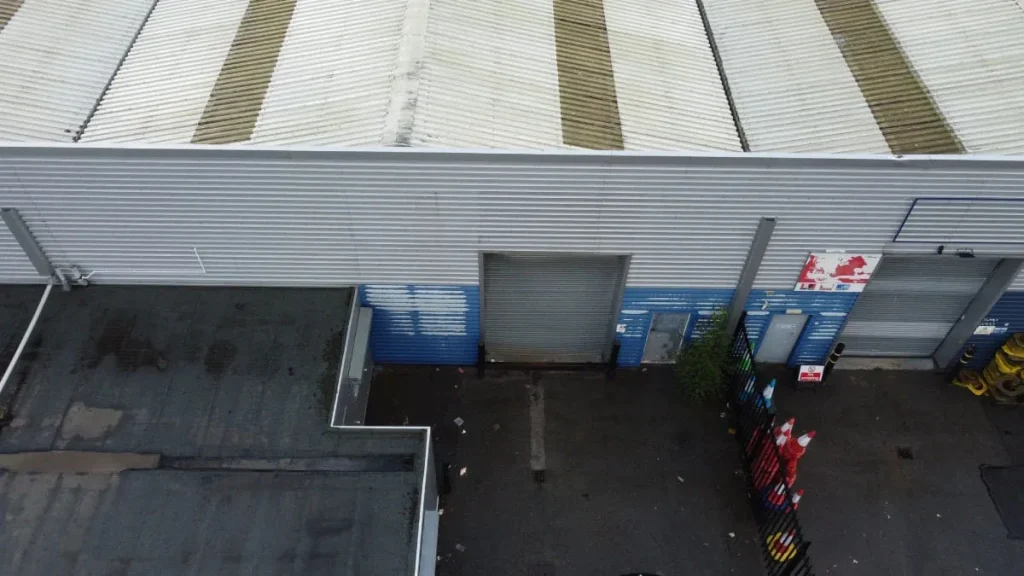
Our team includes Certified Drone Pilots, and drone inspections can form part of a planned preventative maintenance survey, particularly where roofs, façades and other high-level elements are difficult to access safely. Our drone services include:
- roof and façade inspections
- 3D photogrammetry models
- data collection for Revit modelling and as-built AutoCAD drawings
- thermal heat loss surveys
The PPM schedule
We turn the survey into a practical programme that sets out:
- Each element, its current condition and estimated remaining life.
- The work needed and when, from urgent items to cyclical tasks such as external redecoration, gutter clearance and roof maintenance.
- Priorities, so that health and safety, compliance and weather-tightness items come first.
If requested, the schedule can also include:
- yearly budget costs for each item, so you can see annual spend at a glance
- photographs of the elements concerned
- an editable spreadsheet version that you can update
The planning period is set according to your requirements and agreed with you at instruction.
Benefits of planned preventative maintenance
- Less downtime. Regular maintenance reduces unexpected failures that disrupt occupiers and operations.
- Lower whole-life cost. Dealing with issues early prevents secondary damage and extends the life of building elements.
- Predictable cash flow. Work is budgeted in advance, with no surprise bills.
- Compliance and safety. A structured programme helps the building meet relevant regulations and safety standards.
- Lease protection. For FRI tenants, a documented maintenance record supports your position at lease end and reduces exposure to dilapidations claims.
Our process
- Brief. We agree the buildings, objectives, planning period and output format (for example, a spreadsheet you can update).
- Information review. We look at existing maintenance records, lease obligations and previous surveys.
- Survey. A RICS Chartered Surveyor inspects the property.
- Schedule and report. We deliver the PPM schedule with a supporting report, including yearly budget costs, photographs and an editable spreadsheet where requested.
- Review. We talk through the priorities with you and can carry out periodic reviews of the plan to keep it current.
Why choose Lansdown Associates
- RICS regulated Chartered (Building) Surveyors with experience designing and implementing maintenance programmes tailored to each client.
- Whole-lease perspective. We also act on schedules of condition and dilapidations, so your PPM plan is written with your lease obligations in mind.
- Wide client base, including corporate landlords, institutional investors, logistics providers, the NHS, the Diocese and social landlords.
- Certified Drone Pilots within our team, so roofs, façades and other high-level elements that are difficult to access safely can be inspected as part of the survey.
Areas we cover
We carry out planned preventative maintenance surveys in Liverpool, Manchester, Leeds, Birmingham, London and Northern Ireland.

Frequently asked questions
What is the difference between a PPM survey and a condition survey?
A condition survey records the building’s current state. A PPM survey goes further, translating that condition into a timed programme of future work, with yearly budget costs where requested.
How often should a PPM plan be updated?
Plans should be reviewed regularly, commonly annually for budgets and with a fresh inspection every few years, or after significant works. We can agree a review cycle with you.
I have an FRI lease. Do I really need a PPM plan?
Under an FRI lease you are usually responsible for repairs and must hand the building back in the condition the lease requires. A PPM plan helps you meet that obligation gradually and avoid a large dilapidations claim at the end. Read our guide on FRI lease tenant protection.
Can a PPM plan help social landlords with damp and mould?
Yes. Keeping roofs, gutters, windows and ventilation in good order reduces the conditions that lead to penetrating damp and condensation. It does not replace responsive investigation duties, which are covered on our Awaab’s Law survey page.
Do you carry out the maintenance work?
No. We are independent surveyors. We produce the plan and can advise on specifications, but we do not sell the works, so our recommendations are impartial.
Plan your maintenance with confidence
Call 0151 374 0905 or email office@lansdownassociates.co.uk (Monday to Friday, 09:00–17:00) to discuss your building and the planning period you need. We provide a free quotation, and the scope and fee are confirmed in writing before we start.
Related services and guides
- Technical due diligence survey – understand condition and costs before you buy or lease.
- Schedule of condition survey – a record of condition at lease start.
- Dilapidations surveyor – advice for landlords and tenants at lease end.
- Full repairing and insuring lease checklist – what to check before signing.