
CommercialTechnical due diligence surveys
A technical due diligence survey tells you what you are really taking on before you buy, fund or lease a commercial building. Our RICS Chartered Surveyors inspect the structure, fabric and building services, identify defects and risks, flag compliance documentation to check, and estimate the cost of immediate, short-term and longer-term repairs, so you can negotiate, budget or walk away with confidence. Lansdown Associates carries out technical due diligence (TDD) for clients across London, Birmingham, Liverpool, Manchester, Leeds and Northern Ireland.

Who needs a technical due diligence survey
Before you buy, fund or sign a lease on a commercial property, you should understand its physical condition. We act for:
- Investors and purchasers, including institutional investment and pension fund managers and corporate landlords, assessing an acquisition.
- Incoming tenants and occupiers, including national service providers and logistics operators, particularly before signing a full repairing and insuring (FRI) lease.
- Property developers evaluating buildings for refurbishment or conversion.
- Public sector and not-for-profit organisations, such as NHS bodies, taking on or reviewing premises.
Typical properties include offices, industrial and logistics units, retail, mixed-use buildings and residential investment blocks.
When to commission TDD
- Before exchange on an acquisition, ideally as soon as heads of terms are agreed, so findings can shape price and contract terms.
- Before signing a lease, especially an FRI lease, where you could become liable for repairing defects that already exist. See our guide to things to consider before signing a full repairing and insuring lease.
- Before refinancing or disposal, to understand what a buyer’s surveyor is likely to find.
- Before a refurbishment, to establish the baseline condition and life expectancy of the main building elements.
What our technical due diligence survey covers
The scope is agreed with you at instruction and tailored to the building and the transaction. A typical survey covers:
Structure and building fabric
- Frame, foundations (from visible evidence), floors, walls and cladding.
- Roofs, rainwater goods and drainage from roofs.
- Windows, doors, external areas, car parks, boundaries and hard landscaping.
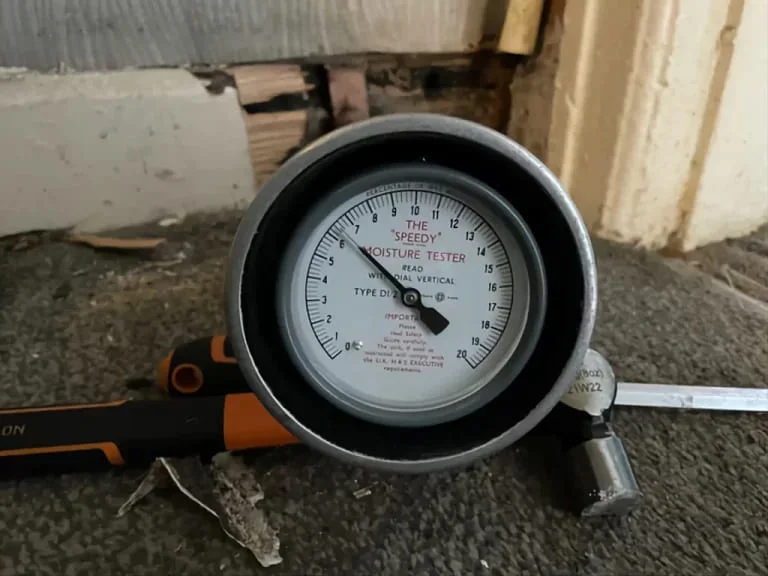
- Signs of structural movement, water ingress, damp and material deterioration.
Mechanical and electrical services
- A visual, non-intrusive review of heating, ventilation and air conditioning, lighting, electrical distribution, lifts and water services, with an opinion on age, condition and remaining life.
- Identification of plant that is at or beyond the end of its useful life. For example, life-expired air conditioning systems are a common, costly finding that can present risks if not addressed promptly.
- Where specialist testing of the mechanical and electrical installations is needed, we say so and can coordinate it with suitably qualified specialists.
Compliance and documentation
- A review of whether the building appears to comply with current regulations, with any concerns listed.
- A list of documents your solicitor or team should request, such as the asbestos register, fire risk assessment, EPC, planning and building regulations approvals, and service and maintenance records.
Costs and forward planning
- Immediate costs: urgent repairs and health and safety items.
- Short-term costs: work likely to be needed in the near future.
- Longer-term costs: routine and lifecycle maintenance, which can be developed into a planned preventative maintenance survey and programme after completion.
What you receive
Your report is written for decision-makers, and every report includes an executive summary and photographs as standard. It contains:
- An executive summary of the main risks and headline costs, suitable for investment committees, lenders and boards.
- A condition overview of the main structural, mechanical and electrical elements, with photographs.
- A maintenance and repair plan setting out urgent, short-term and long-term work.
- Cost estimates to support price negotiation, retentions or lease negotiations.
- Clear recommendations for any further specialist investigation.

Our process
- We agree the objectives, timetable, property details and how far to review the mechanical and electrical (M&E) services.
- We review the information supplied by the vendor or landlord, such as plans, operation and maintenance (O&M) manuals and maintenance records.
- An RICS Chartered Surveyor inspects the property, arranging access with agents and occupiers.
- We send the report with a summary of the issues that could affect the deal.
- We talk through the findings with you and your advisers, and help negotiate price or lease terms.
Why choose Lansdown Associates
- RICS regulated Chartered (Building) Surveyors working to RICS professional standards.
- Commercial experience across the lease cycle. We also act on dilapidations and schedules of condition, so we understand how today’s defects become tomorrow’s liabilities.
- Expert witness credentials. Our director, John Jackson MRICS MEWI, is a member of the Expert Witness Institute (EWI), and our reports are written to be clear and defensible.
- Broad client base, from institutional investors and corporate landlords to national service providers, logistics operators and the NHS.
- National coverage from our Liverpool, Manchester and London offices.
Areas we cover
We carry out technical due diligence surveys in Liverpool, Manchester, Leeds, Birmingham, London and Northern Ireland, and elsewhere by arrangement.

Frequently asked questions
What is the difference between technical due diligence and a building survey?
A RICS Level 3 building survey is designed for homes. Technical due diligence is aimed at commercial and investment property and focuses on transaction risk: condition, building services, compliance documentation and forward costs, reported in a format that supports commercial decisions.
How long does a technical due diligence survey take?
It depends on the size and complexity of the building and the scope agreed. We will give you a timetable when you instruct us so it fits your transaction. As a guide, most reports are issued within 5 to 7 working days of the inspection.
Do you cover mechanical and electrical services?
Yes. Our surveyors review the visible M&E installations, comment on age, condition and remaining life, and flag life-expired plant. Where detailed engineering testing is needed, we recommend it and can coordinate the specialist testing on your behalf.
Is TDD worthwhile for a tenant taking a lease?
Yes, particularly under an FRI lease. Knowing the building’s condition before you sign lets you negotiate a rent-free period, landlord repairs, or a repairing obligation limited by a schedule of condition. Our guide on FRI lease tenant protection explains the options.
Can you help after the purchase?
Yes. We can turn the survey findings into a planned preventative maintenance programme, and act later on dilapidations if the property is let.
Speak to a technical due diligence surveyor
Call 0151 374 0905 or email office@lansdownassociates.co.uk (Monday to Friday, 09:00–17:00) with the property address, transaction type and timetable. We will provide a free quotation, and the scope and fee are confirmed in writing before we start.
Related services and guides
- Schedule of condition survey – record a building’s condition at lease start to limit future liability.
- Dilapidations surveyor – landlord and tenant advice at lease end.
- Planned preventative maintenance survey – turn survey findings into a costed maintenance programme.
- Full repairing and insuring lease checklist – what to check before you sign.